ESTABLISHMENT OF THE HARRIET TUBMAN UNDERGROUND RAILROAD NATIONAL MONUMENT - - - - - - -
BY THE PRESIDENT OF THE UNITED STATES OF AMERICA
A PROCLAMATION
Harriet Tubman is an American hero. She was born enslaved, liberated herself, and returned to the area of her birth many times to lead family, friends, and other enslaved African Americans north to freedom. Harriet Tubman fought tirelessly for the Union cause, for the rights of enslaved people, for the rights of women, and for the rights of all. She was a leader in the struggle for civil rights who was forever motivated by her love of family and community and by her deep and abiding faith.
Born Araminta Ross in 1822 in Dorchester County, Maryland, on the plantation where her parents were enslaved, she took the name "Harriet" at the time she married John Tubman, a free black man, around 1844. Harriet Tubman lived and worked enslaved in this area from her childhood until she escaped to freedom at age 27 in 1849. She returned to Dorchester County approximately 13 times to free family, friends, and other enslaved African Americans, becoming one of the most prominent "conductors" on the Underground Railroad. In 1859, she purchased a farm in Auburn, New York, and established a home for her family and others, which anchored the remaining years of her life. In the Civil War she supported the Union forces as a scout, spy, and nurse to African-American soldiers on battlefields and later at Fort Monroe, Virginia. After the war, she established the Harriet Tubman Home for the Aged, which institutionalized a pattern of her life -- caring for African Americans in need.
In 1868, the great civil rights leader Frederick Douglass wrote to Harriet Tubman:
I have had the applause of the crowd and the satisfaction that comes of being approved by the multitude, while the most that you have done has been witnessed by a few trembling, scarred, and foot-sore bondmen and women, whom you have led out of the house of bondage, and whose heartfelt "God bless you" has been your only reward. The midnight sky and the silent stars have been the witnesses of your devotion to freedom and of your heroism.
The "midnight sky and the silent stars" and the Dorchester County landscape of Harriet Tubman's homeland remain much as they were in her time there. If she were to return to this area today, Harriet Tubman would recognize it.
It was in the flat, open fields, marsh, and thick woodlands of Dorchester County that Tubman became physically and spiritually strong. Many of the places in which she grew up and worked still remain. Stewart's Canal at the western edge of this historic area was constructed over 20 years by enslaved and free African Americans. This 8-mile long waterway, completed in the 1830s, connected Parsons Creek and Blackwater River with Tobacco Stick Bay (known today as Madison Bay) and opened up some of Dorchester's more remote territory for timber and agricultural products to be shipped to Baltimore markets. Tubman lived near here while working for John T. Stewart. The canal, the waterways it opened to the Chesapeake Bay, and the Blackwater River were the means of conveying goods, lumber, and those seeking freedom. And the small ports were places for connecting the enslaved with the world outside the Eastern Shore, places on the path north to freedom.
Near the canal is the Jacob Jackson Home Site, 480 acres of flat farmland, woodland, and wetland that was the site of one of the first safe houses along the Underground Railroad. Jackson was a free black man to whom Tubman appealed for assistance in 1854 in attempting to retrieve her brothers and who, because he was literate, would have been an important link in the local communication network. The Jacob Jackson Home Site has been donated to the United States.
Further reinforcing the historical significance and integrity of these sites is their proximity to other important sites of Tubman's life and work. She was born in the heart of this area at Peter's Neck at the end of Harrisville Road, on the farm of Anthony Thompson. Nearby is the farm that belonged to Edward Brodess, enslaver of Tubman's mother and her children. The James Cook Home Site is where Tubman was hired out as a child. She remembered the harsh treatment she received here, long afterward recalling that even when ill, she was expected to wade into swamps throughout the cold winter to haul muskrat traps. A few miles from the James Cook Home Site is the Bucktown Crossroads, where a slave overseer hit the 13-year-old Tubman with a heavy iron as she attempted to protect a young fleeing slave, resulting in an injury that affected Tubman for the rest of her life. A quarter mile to the north are Scotts Chapel and the associated African-American graveyard. The church was founded in 1812 as a Methodist congregation. Later, in the mid-19th century, African Americans split off from the congregation and formed Bazel Church. Across from Scotts Chapel is an African-American graveyard with headstones dating to 1792.
Bazel Church is located nearby on a 1-acre clearing edged by the road and otherwise surrounded by cultivated fields and forest. According to tradition, this is where African Americans worshipped outdoors during Tubman's time.
The National Park Service has found this landscape in Dorchester County to be nationally significant because of its deep association with Tubman and the Underground Railroad. It is representative of the landscape of this region in the early and mid-19th century when enslavers and enslaved worked the farms and forests. This is the landscape where free African Americans and the enslaved led a clandestine movement of people out of slavery towards the North Star of freedom. These sites were places where enslaved and free African Americans intermingled. Moreover, these sites fostered an environment that enabled free individuals to provide aid and guidance to those enslaved who were seeking freedom. This landscape, including the towns, roads, and paths within it, and its critical waterways, was the means for communication and the path to freedom. The Underground Railroad was everywhere within it.
Much of the landscape in Dorchester County that is Harriet Tubman's homeland, including a portion of Stewart's Canal, is now part of Blackwater National Wildlife Refuge. The Refuge provides vital habitat for migratory birds, fish, and wildlife that are components of this historic landscape. Management of the Refuge by the U.S. Fish and Wildlife Service has played an important role in the protection of much of the historic landscape that was formative to Harriet Tubman's life and experiences. The Refuge has helped to conserve the landscape since 1933 and will continue to conserve, manage, and restore this diverse assemblage of wetlands, uplands, and aquatic habitats that play such an important role in telling the story of the cultural history of the area. In the midst of this landscape, the State of Maryland is developing the Harriet Tubman Underground Railroad State Park on a 17-acre parcel. The State of Maryland and the Federal Government will work closely together in managing these special places within their respective jurisdictions to preserve this critically important era in American history.
Harriet Tubman is revered by many as a freedom seeker and leader of the Underground Railroad. Although Harriet Tubman is known widely, no Federal commemorative site has heretofore been established in her honor, despite the magnitude of her contributions and her national and international stature.
WHEREAS members of the Congress, the Governor of Maryland, the City of Cambridge, and other State, local, and private interests have expressed support for the timely establishment of a national monument in Dorchester County commemorating Harriet Tubman and the Underground Railroad to protect the integrity of the evocative landscape and preserve its historic features;
WHEREAS section 2 of the Act of June 8, 1906 (34 Stat. 225, 16 U.S.C. 431) (the "Antiquities Act"), authorizes the President, in his discretion, to declare by public proclamation historic landmarks, historic and prehistoric structures, and other objects of historic or scientific interest that are situated upon the lands owned or controlled by the Government of the United States to be national monuments, and to reserve as a part thereof parcels of land, the limits of which in all cases shall be confined to the smallest area compatible with the proper care and management of the objects to be protected;
WHEREAS it is in the public interest to preserve and protect the objects of historic and scientific interest associated with Harriet Tubman and the Underground Railroad in Dorchester County, Maryland;
NOW, THEREFORE, I, BARACK OBAMA, President of the United States of America, by the authority vested in me by section 2 of the Antiquities Act, hereby proclaim, set apart, and reserve as the Harriet Tubman -- Underground Railroad National Monument (monument), the objects identified above and all lands and interests in lands owned or controlled by the Government of the United States within the boundaries described on the accompanying map, which is attached to and forms a part of this proclamation, for the purpose of protecting those objects. These reserved Federal lands and interests in lands encompass approximately 11,750 acres, which is the smallest area compatible with the proper care and management of the objects to be protected.
All Federal lands and interests in lands within the boundaries of this monument are hereby appropriated and withdrawn from all forms of entry, location, selection, sale, leasing, or other disposition under the public land laws, including withdrawal from location, entry, and patent under the mining laws, and from disposition under all laws relating to mineral and geothermal leasing.
The establishment of this monument is subject to valid existing rights. Lands and interests in lands within the boundaries of the monument that are not owned or controlled by the United States shall be reserved as part of the monument upon acquisition of ownership or control by the United States.
The Secretary of the Interior (Secretary) shall manage the monument through the National Park Service and the U.S. Fish and Wildlife Service, pursuant to their respective applicable legal authorities, to implement the purposes of this proclamation. The National Park Service shall have the general responsibility for administration of the monument, including the Jacob Jackson Home Site, subject to the responsibility and jurisdiction of the U.S. Fish and Wildlife Service to administer the portions of the national monument that are within the National Wildlife Refuge System. When any additional lands and interests in lands are hereafter acquired by the United States within the monument boundaries, the Secretary shall determine whether such lands will be administered as part of the National Park System or the National Wildlife Refuge System. Hunting and fishing within the National Wildlife Refuge System shall continue to be administered by the U.S. Fish and Wildlife Service in accordance with the provisions of the National Wildlife Refuge System Administration Act and other applicable laws.
Consistent with applicable laws, the National Park Service and the U.S. Fish and Wildlife Service shall enter into appropriate arrangements to share resources and services necessary to properly manage the monument. Consistent with applicable laws, the National Park Service shall offer to enter into appropriate arrangements with the State of Maryland for the efficient and effective cooperative management of the monument and the Harriet Tubman -- Underground Railroad State Park.
The Secretary shall prepare a management plan for the monument, with full public involvement, within 3 years of the date of this proclamation. The management plan shall ensure that the monument fulfills the following purposes for the benefit of present and future generations: (1) to preserve the historic and scientific resources identified above, (2) to commemorate the life and work of Harriet Tubman, and (3) to interpret the story of the Underground Railroad and its significance to the region and the Nation as a whole. The management plan shall set forth, among other provisions, the desired relationship of the monument to other related resources, programs, and organizations in the region and elsewhere.
Nothing in this proclamation shall be deemed to revoke any existing withdrawal, reservation, or appropriation; however, the monument shall be the dominant reservation.
Warning is hereby given to all unauthorized persons not to appropriate, injure, destroy, or remove any feature of the monument and not to locate or settle upon any of the lands thereof.
IN WITNESS WHEREOF, I have hereunto set my hand this twenty-fifth day of March, in the year of our Lord two thousand thirteen, and of the Independence of the United States of America the two hundred and thirty-seventh.
Canada to Honor International Icon Harriet Tubman, as a National historic Person, at May 27, 2011 Plaque Unveiling in St. Catharines, Ontario
British Methodist Episcopal Church
Salem Chapel
92 Geneva Street
St. Catharines, Ontario
L2R 4N2
Tel. (905) 984-6769
Whereas, the British Methodist Methodist Episcopal Church at 93 Geneva Street was
the place of worship and the source of strength and encouragement for Harriet Tubman and her people, and continues today to be a place of worship and a repository of black culture and heritage
for many of their descendants.
Mayor Joseph L. McCaffery
Harriet Tubman Day, March 10, 1990 (view proclamation)
Harriet Tubman 1993 Plaque Program (view program)
Letter From St. Catharines (download)
Commemorating the 100th Memorial Anniversary of
Harriet Tubman
At the Salem Chapel, BME Church NHS, 92 Geneva St.,
St. Catharines, ON L2R 4K9 905-682-0993
The Annual Harriet Tubman Day Dinner
Saturday, March 09, 2013
General Tubman: Celebrating the Mission
In combination with International Women€™s Day€Â¦ Let Freedom Reign! Special musical tribute by WomEnchant, poetry readings, local dignitaries, guest speakers and more at 3:00 p.m. Free admission! Food donations for Community Care would be greatly appreciated.
Dinner to follow the celebration. Tickets are $20.00 per adult and $12.00 for children under 10.
The Harriet Tubman 100th Memorial Anniversary Tribute Sunday, March 10, 2013
Celebrating her dedication to Almighty God
Special religious tribute with local clergy guest speakers at 3:00 p.m. In honour of Harriet Tubman who was deeply religious, selfless and giving, ALL monetary free will offerings will be donated to Community Care. All are welcome to attend!
Harriet Tubman's friends and fellow abolitionists claimed that the source of her strength came from her faith in God as deliverer and protector of the weak. "I always told God," she said, "'I'm going to hold steady on to you, and you've got to see me through."
Harriet Tubman said she would listen carefully to the voice of God as she led slaves north, and she would only go where she felt God was leading her. Fellow abolitionist Thomas Garrett said of her, "I never met any person of any color who had more confidence in the voice of God."
A listing of the yearlong centennial events can be found at
There is tough. And then there is Harriet Tubman tough.
She looks as stern and hard as a human being can in old photographs. Unsmiling and steely eyed, Tubman's face gives every impression of a woman who means business. But there are reasons for that.
During one of her treks into Canada leading slaves to freedom along the Underground Railroad from the United States, the iconic freedom fighter developed serious problems with her teeth. Serious enough that it should have stopped her in her tracks.
But when you are an outlaw on the run, flaunting the racist laws of state and federal governments, there isn't time to stop.
"Tubman herself was fierce €Â¦ she pulled out her own teeth," said Rochelle Bush, church historian for the Salem chapel at the British Methodist Episcopal Church on Geneva St. Friday. "As she was guiding freedom seekers north to Canada, she pulled out her teeth because they were driving her crazy. That's why she doesn't smile."
Bush regaled the audience that packed the church Friday morning as part of a ceremony to unveil a Parks Canada historical plaque commemorating Tubman's role as a critical conductor of the railroad, a loosely connected series of safe-houses African-American slaves used to escape to freedom in Canada.
The church was one of the final points on the railroad and Tubman took up residence in St. Catharines for about a decade, Bush said.
The plaque was actually issued years before, but because of a squabble over how it presented Tubman's birth date it was kept in storage at Fort George in Niagara-on-the-Lake.
Bush and others took issue with the plaque giving Tubman's birth date as 1822. In fact, Tubman's exact date of birth is unknown, so Bush insisted the plaque read "circa. 1822."
It wasn't until St. Catharines MP Rick Dykstra got involved that a new plaque was produced with the letter "c" added before the year.
"This has been a long time coming," Bush said before the unveiling.
However, when she presented a short history of Tubman's life the original plaque's gaffe came back to haunt her.
"Tubman, born in 1822," she said before stopping herself.
Before the Civil War, African American Freedom Seekers
fled north to freedom through a combination of people and
landscapes that became known as the "Underground Railroad."
As the last slave state, Delaware was a critical leg to freedom.
Harriet Tubman and other "conductors" led more than 3,000
Freedom Seekers through Delaware. Wilmington, Quaker
Thomas Garrett, was influential on orchestrating the
Underground Railroad network in Delaware through
organization of members and safe locations.
Harriet Tubman sculpture unveiled in St. Catharines
Posted By JULIE GRECO/QMI Agency
A bust of Harriet Tubman was unveiled in the garden next to the British Methodist Episcopal Church on Geneva St., St. Catharines. The bust was made by artist Frank Rekrut who is seen being photographed by the bust. JULIE JOCSAK Standard Staff
ST. CATHARINES €” Harriet Tubman has always had a strong historical presence at the British Methodist Episcopal Church in St. Catharines, but now that presence is concrete.
A stone bust of the famed Underground Railroad conductor was unveiled at the church Monday, surrounded by a new meditation garden.
The celebration marked a collaboration that transformed a dead lawn at the church at 92 Geneva St. into a stone path, garden and focal point.
"A lot of people's hearts went into this project," said Rochelle Bush, church historian and Salem Chapel trustee.
The bust was donated by sculptor Frank Rekrut, who spent months creating the likeness.
The garden project, meanwhile, was financed by the St. Catharines Green Committee and St. Catharines Horticultural Society and designed by Eco Landscape Design of St. Catharines.
Other donors contributed to the work's installation, benches and a pedestal.
In a remarkable coincidence, Rekrut began working on a Tubman bust prior to learning the church wanted a statue.
He only took up sculpting a few years ago.
When a copy of a bust of a cardinal by Gian Lorenzo Bernini worked out well, he turned his attention to a local subject.
Rekrut said he often drove by the BME church near work and decided to make a Tubman statue.
Meanwhile, ECO had designed a garden next to the church that included a statue in the design, but it wasn't something the church or green committee could afford to commission.
So when Rekrut called to offer his bust for free, everyone was floored.
"I just thought this was a unique opportunity," he said.
Producing a sculpture from a black and white photograph proved challenging.
"We brought home every book in the library we could find," Rekrut said, referring to himself and wife Laura Thompson, who is an oil painter.
"We only found one front-on photo and it's tricky."
Those gathered Monday were enthusiastic about Rekrut's effort.
Tubman escaped slavery from Maryland in 1849 but continued to make trips to the southern states to help others find their freedom.
Eleven of the freedom seekers were brought to St. Catharines in 1851 and joined what is now the BME church, where Tubman herself worshiped.
Bush said the beautification project is in preparation for the 160th anniversary next year of Tubman's first visit to St. Catharines, when a national historic plaque will be unveiled. In 2013, the 100th anniversary of Tubman's death will also be remembered.
Bush searched far and wide for an appropriate quote to accompany the statue on its pedestal €” one that wasn't already being used at other Tubman sites in the U.S.
She found very few quotes from Tubman that were recorded.
"We wanted something unique to St. Catharines," she said. "Needle in a hay stack, but it was there."
The obscure and bold quote Bush discovered seemed appropriate for a woman who risked her life to bring more than 300 slaves north of the border.
The statue reads: "I wouldn't trust Uncle Sam with my people no longer. I brought them all clear off to Canada."
Better Angels Signs of the Times play by Colin Adams Toomey sponsored by Delaware Humanities Forum.
Photo is of the cast in the back with members of the Garrett family. Pictures taken March 3, 2013 in New Castle
Court House Museum in New Castle, Delaware.
Not Brand or Size, But By Footprint
The Honorable Corrine Brown
3rd District of Florida
2010 CBCF Theme: €œCelebrating the Vision, Continuing the Journey, Advancing the Mission.€� Passage along the Underground Railroad was a terrible and difficult journey. Some stowed away on boats, trains, or wagons. But the majority of the enslaved escaped by foot, traveling largely at night across rivers, hiking through mountains, through swamps, through rocky and thorny ground without benefit of protective footwear. They ran often without protection against the cuts, abrasions, and bruises from objects on the ground; no protection from frostbite or the parasites, no knowledge of or concern for brands and styles. They worked hard to leave no footprints behind for slave catchers or dogs to find. Instead, they left unmistakable footprints for us to follow to get beyond slavery, to fight against inequities, to challenge stereotypes and profiles, to stand up to and on the neck of Jim Crow, and to use in sizing the shoes for the feet of those who would continue the journey to freedom.
We are who we are, not because of the size of our feet; nor can our capacity be determined by the design, cost, or brand of shoe we wear. We have pursued our freedom, we stand, and we move forward in shoes passed down from generation to generation, broken in for our benefit. We follow the footprints left by fathers, by mothers, and others who walked and ran ahead and beside us as courageous youth, bold leaders, heads of households, conductors, weary sojournors, and mentors. Through this session, we celebrate their vision for freedom. We continue their journey. We advance the mission.
Panel Participants
Addie L. Richburg, Moderator President, National Alliance of Faith and Justice
Susan L. Taylor, Speaker Founder and CEO, National Cares Mentoring Movement
Cheryl T. Grills, Ph.D., Speaker President, Association of Blacks Psychologists, Inc. and
Associate Dean, Bellarmine College of Liberal Arts
Carlvern Dunn, Speaker Historian, Kiamsha Youth Empowerment Organization
Charter school in tough neighborhood gets all its seniors into college
Urban Prep Academy senior Keith Greer, along with his classmates, celebrates the news they will receive a free prom in Chicago because 100 percent of the graduating class was accepted into 4-year colleges or universities.
(Tribune photo by Heather Charles / March 5, 2010)
The entire senior class at Chicago's only public all-male, all-African-American high school has been accepted to four-year colleges. At last count, the 107 seniors had earned spots at 72 schools across the nation.
Mayor Richard Daley and Chicago Public Schools chief Ron Huberman surprised students at an all-school assembly at Urban Prep Academy for Young Men in Englewood this morning to congratulate them. It's the first graduating class at Urban Prep since it opened its doors in 2006.
Huber man applauded the seniors for making CPS shine. "All of you in the senior class have shown that what matters is perseverance, what matters is focus, what matters is having a dream and following that dream," Huberman said.
The school enforces a strict uniform of black blazers, khaki pants and red ties -- with one exception. After a student receives the news he was accepted into college, he swaps his red tie for a red and gold one at an assembly.
The last 13 students received their college ties today, to thunderous applause.
Ask Rayvaughn Hines what college he was accepted to and he'll answer with a question. "Do you want me to name them all?"
For the 18-year-old from Back of the Yards, college was merely a concept--never a goal--growing up. Even within the last three years, he questioned if school, let alone college, was for him. Now, the senior is headed to the prestigious Morehouse College in Atlanta, Ga. next fall.
Hines remembers the moment he put on his red and gold tie. "I wanted to take my time because I was just so proud of myself," he said. "I wanted everyone to see me put it on."
The achievement might not merit a mayoral visit at one of the city's elite, selective enrollment high schools. But Urban Prep, a charter school that enrolls using a lottery in one of the city's more troubled neighborhoods, faced difficult odds. Only 4 percent of this year's senior class read at grade level as freshmen, according to Tim King, the school's CEO.
"I never had a doubt that we would achieve this goal," King said. "Every single person we hired knew from the day one that this is what we do: We get our kids into college."
College is omnipresent at the school. Before the students begin their freshman year, they take a field trip to Northwestern University. Every student is assigned a college counselor the day he steps foot in the school.
The school offers an extended day--170,000 more minutes over four years compared to its counterparts across the city--and more than double the number of English credits usually needed to graduate.
Even the school's voicemail has a student declaring "I am college bound" before it asks callers to dial an extension.
Normally, it takes senior Jerry Hinds two buses and 45 minutes to get home from school. On Dec. 11, the day University of Illinois at Champaign- Urbana was to post his admission decisions online at 5 p.m., he asked a friend to drive him home.
He went into his bedroom, told his well-wishing mother this was something he had to do alone, closed the door and logged in. "Yes! Yes! Yes!" he remembers screaming. His mother, who didn't dare stray far, burst in and began crying.
That night he made more than 30 phone calls, at times shouting "I got in" on his cell phone and home phone at the same time. "We're breaking barriers," he said. "And that feels great."www.urbanprep.org
SRES 455 ATS 111th CONGRESS 2d Session S. RES. 455
Honoring the life, heroism, and service of Harriet Tubman.
IN THE SENATE OF THE UNITED STATES
March 15, 2010
Mrs. BOXER (for herself, Mr. BROWNBACK, Mr. SPECTER, Ms. SNOWE, Mr. SCHUMER, Mrs. GILLIBRAND, Ms. MIKULSKI, Mr. CARDIN, and Mr. LEVIN) submitted the following resolution; which was considered and agreed to
RESOLUTION
Honoring the life, heroism, and service of Harriet Tubman.
Whereas Harriet Ross Tubman was born into slavery as Araminta Ross in Dorchester County, Maryland, in or around 1820;
Whereas in 1849, Ms. Tubman bravely escaped to freedom, traveling alone for approximately 90 miles to Pennsylvania;
Whereas, after escaping slavery, Ms. Tubman participated in the Underground Railroad, a network of routes, people, and houses that helped slaves escape to freedom;
Whereas Ms. Tubman became a `conductor' on the Underground Railroad, courageously leading approximately 19 expeditions to help more than 300 slaves to freedom;
Whereas Ms. Tubman served as a spy, nurse, scout, and cook during the Civil War;
Whereas during her service in the Civil War, Ms. Tubman became the first woman in the United States to plan and lead a military expedition, which resulted in successfully freeing more than 700 slaves;
Whereas after the Civil War, Ms. Tubman continued to fight for justice and equality, including equal rights for African-Americans and women;
Whereas Ms. Tubman died on March 10, 1913, in Auburn, New York; and
Whereas the heroic life of Ms. Tubman continues to serve as an inspiration to the people of the United States:
Now, therefore, be it Resolved, That the Senate--
(1) honors the life and courageous heroism of Harriet Tubman;
(2) recognizes the great contributions made by Harriet Tubman throughout her lifelong service and commitment to liberty, justice, and equality for all; and
(3) encourages the people of the United States to remember the courageous life of Harriet Tubman, a true hero.
Passed with Unanimous Consent of the U.S. Senate 3/15/2010
A new addition to the Oval Office: An original copy of Abraham Lincoln's other emancipation proclamation, the one that freed the slaves of Washington, D.C., on this day in 1862, nine months before issuing the same order for other parts of the country. "We remain forever grateful as a nation for the struggles and sacrifices of those Americans who made that emancipation possible," Obama said in a statement honoring D.C. Emancipation Day.
Obama also used the occasion to advocate statehood rights for Washington, D.C., noting that city residents "pay federal taxes and serve honorably in our armed services," but do not have votes in the U.S. House or Senate. "And so I urge Congress to finally pass legislation that provides D.C. residents with voting representation and to take steps to improve the Home Rule Charter," Obama said.
Office of the Press Secretary ------------------------------
For Immediate Release April 16, 2010
Statement by the President
On this occasion, we remember the day in 1862 when President Lincoln freed the enslaved people of Washington, DC €“ nine months before he issued the Emancipation Proclamation. I am proud that an original copy of that document now hangs in the Oval Office, and we remain forever grateful as a nation for the struggles and sacrifices of those Americans who made that emancipation possible.
Americans from all walks of life are gathering in Washington today to remind members of Congress that although DC residents pay federal taxes and serve honorably in our armed services, they do not have a vote in Congress or full autonomy over local issues. And so I urge Congress to finally pass legislation that provides DC residents with voting representation and to take steps to improve the Home Rule Charter.
President Abraham Lincoln signed the District of Columbia Emancipation Act into law on April 16, 1862. The Act ended slavery in the nation's capital, freeing some 3,100 enslaved persons, and is the only example in which the Federal Government compensated slaveholders for the enslaved persons they once held.
Mrs. Loretta Carter Hanes, an educator, researcher and the president of DC Reading Is Fundamental, Inc., researched, initiated and spearheaded the revival of the District of Columbia Emancipation Commemoration. Since 1991, Mrs. Hanes and DC Reading Is Fundamental, along with her son Peter and Historians C.R. Gibbs and Vincent deForest, have organized annual DC Emancipation Commemoration public educational programs. Her untiring efforts arose to the attention of community groups like the United Black Fund, historic churches such as the All Souls Church Unitarian and Asbury United Methodist Church, and local and Federal Government officials, including the U.S. National Archives, U.S. National Park Service and Members of the U.S. Congress. Mrs. Hanes inspired these and other organizations and individuals to mark the DC Emancipation Act with annual educational and celebratory events across the nation's capital. Such combined advocacy for this watershed event in our nation's history led then DC Mayor Anthony Williams to sign into law in 2005 that each April 16th thereafter would be Emancipation Day, a public legal holiday.
Enslavement to Emancipation, a new Government of the District of Columbia documentary film, covers the history of Washington, DC, from enslavement to emancipation to civil rights to voting rights, in the context of United States history (run time: 60 minutes). The free online documentary includes historic documents, images, video and dramatic readings and interviews of various experts that combine to provide a compelling portrait of the history of the nation's capital. [The online video is best viewed in Microsoft Internet Explorer 7.0 or Mozilla Firefox 3.6 or better]. To view the free video, visit: http://os.dc.gov/os/cwp/view,a,1207,q,643856.asp
Seaford Museum to open Underground Railroad Exhibit..
Sussex County Post Updated February 9, 2014
February 12, 2014
Seaford Museum to open Underground Railroad exhibit
Sussex County Post
Updated February 9, 2014
SEAFORD €” The Seaford Museum will open an exhibit on the Underground Railroad in the Nanticoke Headwater€™s area andHarriet Tubman€™s Daring Escape through Seaford in its Webb Exhibit Room starting Saturday, February 22, 2 at 1 p.m.
The temporary exhibit will run at least through the month of May and possibly longer based on visitor demand. The exhibit opening will follow the unveiling of the Gateway to Freedom Delaware Public Archives historic marker that is scheduled to be dedicated the prior Monday, Feb. 17 at 2 p.m. at Gateway Park. The historic marker will chronicle the Harriet Tubman Tilly Escape where Harriet and the slave, Tilly, came south from Baltimore to Seaford and stayed at old Coulbourn Hotel location across from Seaford City Hall on High and Market Streets.
€œWhen you are walking in the fountain area of Gateway Park, you are literally walking in the footsteps of Harriet Tubman, an American hero who is admired by everyone,€� said local historian and museum researcher Jim Blackwell. €œIt is one thing for a slave to have headed north to escape slavery, but Harriet Tubman headed south - from the North, time and time again to help others find freedom. She was a truly courageous American. It is an honor for our town to have a historic marker detailing one of the most daring exploits of this American History icon. This is truly a great story for our town to be able to tell.€�
Following this temporary exhibit, the Seaford Museum will also be making a permanent exhibit of the Tilly Story and Harriet Tubman€™s Daring Escape through Seaford as well as the Underground Railroad in the Nanticoke Headwaters. This permanent exhibit will open later this summer.
The Seaford Museum, located at 203 High Street, is open to the public Thursday through Sunday from 1 p.m. to 4 p.m. Admission is $5 per adult with children 12 and under free when accompanied by an adult.
Smithsonian 3/10/2010 News Release Harriet Tubman Collection Unveiled
by National Museum of African American History and Culture
Harriet Tubman (ca. 1822-1913), was an abolitionist, Underground Railroad conductor, U.S. Civil War nurse, scout, and spy, women€™s suffragist, and humanitarian. She was a shero and daughter of both the USA and Canada. The Salem Chapel British Methodist Episcopal (BME) Church, in Saint Catharines, Ontario, was associated with abolitionist activity and it was also Tubman€™s church. The Government of Canada designated the church as a National Historic Site of Canada in 2000. The Government of Canada also designated Tubman as a National Historic Person of Canada in 2005 (The plaque dedication program has not yet taken place) (See the Parks Canada Black Heritage Portal at http://www.pc.gc.ca/eng/culture/mhn-bhm/index.aspx )
Related U.S. Congressional Bill-S.227 Harriet Tubman National Historical Park and Harriet Tubman Underground Railroad National Historical Park Act. When this bill is signed into law by President Obama, it would create two National Historical Parks, one in Maryland, Tubman€™s birth state, and the other in Auburn, NY, where Tubman lived in her later years, that includes her home, the home for elderly Blacks that she founded, a neighboring cemetery where she is interred, and the nearby church where she worshipped (See the National Park Service Harriet Tubman Special Resource Study with weblinks to Bill S.227 at http://www.harriettubmanstudy.org/ ).
Harriet Tubman Day
Harriet Tubman passed away on March 10, 1913. Harriet Tubman Day is commemorated annually on March 10th, in several states, including Maryland, Delaware, New York, and the City of Saint Catharines, Ontario, Canada. March 10, 2013 will mark the 100th anniversary of Harriet Tubman€™s passing and the State of Maryland is already looking toward that centennial. Lou Fields the Maryland Statewide Coordinator for Harriet Tubman Day.
Vince, Vivian, Dr. Blockson and I are collaborating to encourage international (Canada-USA) recognition of Harriet Tubman€™s legacy. Regards,
Blockson Collection celebrates Women€™s History Month Thursday, March 12, 2009 CONTACT: Denise Clay denise.clay@temple.edu 215-204-6522
A hymn book owned by Harriet Tubman, abolitionist and conductor of the Underground Railroad, was among the artifacts displayed as part of the Women€™s History Month celebration held at the Charles L. Blockson Afro-American Collection on March 5. The Blockson Collection displayed the artifacts €” which included a shawl given to Tubman by Queen Victoria of England, a memorial program from her funeral and other collectables €” as part of its yearly homage to notable African American women.
This year€™s honorees were: City Councilwoman Jannie Blackwell; author and
Photo by Ryan S. Brandenberg/Temple University A hymn book owned by Harriet Tubman
educator Marie T. Bogle; Odunde Festival founder Lois Fernandez; television news pioneer Trudy Haines; Philadelphia Inquirer columnist Annette John-Hall; founder and president of the American Women€™s History Museum Audrey Johnson-Thornton; philanthropist Beverly Lomax; and Willa Ward-Royster, last remaining member of the gospel group the Clara Ward Singers. Poet and publisher for Third World Press Haki Madhubuti performed several poems as part of the festivities, which were broadcast live on WURD 990-AM and hosted by the station€™s programming director, Thera Martin Connelly.
Keeping Stories Alive Experts and uncles, historians and teens share tales of the Underground Railroad Read More
WBOC 16 DelMarva's News Leader Salisbury/Dover/Milton Tubman Park Gets Nearly $1.2M From Park Service
Posted: Sep 14, 2009 11:33 AM EDT
Harriet Tubman was born in Dorchester County, where she spent nearly 30 years as a slave before escaping in 1849.
BALTIMORE- A $1,191,312 National Park Service grant will help develop outdoor recreation facilities in Harriet Tubman Underground Railroad State Park in Dorchester County on Maryland's Eastern Shore.
Sens. Benjamin Cardin and Barbara Mikulski and Rep. Frank Kratovil announced the grant from the park service's Land and Water Conservation Fund on Monday.
"Born on the Eastern Shore of Maryland in Dorchester County, Harriet Tubman left an indelible mark on history as the 'conductor' of the Underground Railroad, a suffragist, and humanitarian, yet, the places associated with her life and work are not well known," Kratovil said. "Establishing Dorchester County's first state park as a way of honoring her contributions to American history is not only a respectful way to honor a woman whose commitment to the rights of others was unmatched, but it serves as a meaningful method of preserving our environment, protecting wildlife, and passing a historical legacy onto our children and future generations."
Maryland expects to begin site development at the 17-acre site in December 2010 with completion expected approximately a year later.
Tubman was born in Dorchester County, where she spent nearly 30 years as a slave before escaping in 1849. She later led hundreds of slaves to freedom as part of the anti-slavery resistance network known as the Underground Railroad.
Earlier this week, Cardin, Mikulski and Kratovil announced an 823-acre addition to the adjacent Blackwater National Wildlife Refuge.
Testimony
at
the
Underground
Railroad
Network
to
Freedom
Act
of
1997
Hearings
BILL,
H.R.
1635
To
establish
within
the
United
States
National
Park
Service
the
National
Underground
Railroad
Network
to
Freedom
Program
Longworth
House
Office
Building,
Room
1324,
Washington,
DC
July
22,
1997
€“
10
am
It
is
indeed
an
honor
for
me
to
participate
in
this
historical
event,
in
an
effort
to
preserve
the
former
sites
of
the
Underground
Railroad,
a
subject
that
I
have
been
committed
to
since
I
was
a
child.
When
I
was
ten
years
old,
my
grandfather
told
me
that
my
great
grandfather
and
other
members
of
my
family
escaped
slavery
on
the
Freedom
Train,
that
was
commonly
known
as
the
Underground
Railroad.
Although
my
great
grandfather
returned
to
the
United
States
after
the
Civil
War,
other
relatives
remained
in
various
parts
of
Canada
to
include
Nova
Scotia.
For
more
than
thirty
years,
I
have
researched,
collected
and
written
about
this
important
American
epic.
My
greatest
contribution
was
the
cover
story
I
wrote
for
National
Geographic
magazine
in
July
1984.
It
proved
to
be a
popular
article,
receiving
hundreds
of
letters
worldwide,
stimulating
interest
in
the
preservation
of
these
historical
sites.
The
article
also
gave
me
an
opportunity
to
travel
throughout
the
nation,
covering
20
states,
including
the
provinces
of
Canada.
To
my
astonishment,
I
discovered
with
great
sadness
that
many
of
the
sites
have
been
demolished
due
to
urban
removal,
particularly
the
ones
in
the
African
American
community.
I
also
discovered
that
many
of
the
sites
today
are
under
private
ownership.
In
June
of
1988,
I
was
invited
to
speak
by
the
Quindaro
Town
Preservation
Society
in
Kansas
City,
Kansas,
to
help
save
the
Quindaro
ruins
from
being
destroyed
to
build
a
landfill
at
the
Old
Quindaro
town
site.
Quindaro
was
once
an
abolitionist
settlement
and
a
station
for
blacks
fleeing
slavery
via
the
Underground
Railroad.
In
1990,
my
connection
with
the
Underground
Railroad
Study
began
with
former
U.S.
Representative
Peter
H.
Kostmayer
(D.,
Pa.)
who,
after
reading
my
book
the
Underground
Railroad
in
Pennsylvania
and
my
article
in
National
Geographic,
asked
me
if
it
was
possible
for
these
former
sites
to
be
preserved,
and
if
so,
he
would
introduce
a
bill
to
the
Secretary
of
Interior
to
designate
a
route
as
the
Underground
Railroad
Historic
Trail,
install
suitable
signs
and
markers
and
provide
maps,
brochures
and
other
informational
devices
to
assist
the
public.
After
the
proposal
was
approved,
I,
along
with
several
others
were
asked
to
testify
before
a
similar
Committee
in
Congress.
Consequently,
Rep.
Kostmayer
asked
me
to
select
a
group
of
people
that
represented
various
parts
of
the
nation
to
from
an
Advisory
Committee.
His
staff
then
contacted
the
prospective
member
of
the
Advisory
Committee.
This
was
how
the
Advisory
Committee
was
formed,
and
I
was
selected
by
them
as
Chair.
Four
months
before
the
Advisory
Committee
was
organized,
a
press
conference
was
held,
at
which
I
participated
with
Rep.
Kostmayer,
at
Philadelphia€™s
Mother
Bethel
A.M.E.
Church.
Mother
Bethel,
the
oldest
A.M.E.
Church
in
the
country,
was
one
of
the
most
important
stations
that
hid
hundreds
of
slaves.
This
press
conference
generated
a
growing
interest
throughout
the
nation
to
preserve
the
former
Underground
Railroad
sites.
The
Advisory
Committee
met
in
various
parts
of
the
United
States
visiting
the
Underground
Railroad
sites.
I
organized
several
tours,
some
of
which
I
led.
Last
year,
I
took
a
group
of
school
teachers
from
the
Washington,
DC
area
on a
tour
sponsored
by
National
Geographic.
We
traveled
from
Harriet
Tubman€™s
birthplace
in
Bucktown,
MD,
to
Underground
Railroad
sites
in
Delaware,
New
Jersey,
Pennsylvania
and
upstate
New
York,
to
include
Harriet
Tubman€™s
and
Frederick
Douglass€™
grave-site
and
then
into
Canada.
I
was
also
a
consultant
for
two
television
documentaries
about
the
Underground
Railroad.
Because
of
the
ongoing
international
interest
in
the
Underground
Railroad
and
its
idealized
history,
in
which
fact
and
memory
intertwine
to
epitomize
a
period
of
rich
heritage,
it
is
imperative
that
Bill,
H.R.
1635
is
implemented
and
receive
the
proper
funding
to
better
preserve
and
exhibit
our
national
heritage.
It
is
also
imperative
that
an
interpretive
handbook
is
written
by
scholars
and
consultants
to
teach
the
history
and
preserve
the
memories
of
those
brave
souls
who
represented
the
morality
of
Antebellum
America;
remembering
the
heroic
essence
and
hardships
of
great
spirits
such
as
Frederick
Douglass,
Harriet
Tubman,
Levi
Coffin,
John
Brown,
Lucreatia
Mott,
William
Still,
Native
Americans
such
as,
Chief
Pontiac,
and
a
host
of
others.
We
realize
that
no
one
institution,
book
or
in-depth
study
can
tell
the
full
story
of
this
pivotal
period
in
the
history
of
America,
however,
we
can
achieve
its
fullest
expression
through
the
lives
of
such
luminaries
and
the
mechanisms
they
used
for
freedom
in
this
important
chapter
in
history.
Increasing
the
need
for
wider
recognition,
we
must
challenge
the
deployment
of
the
national
media
in
presenting
the
cultural
value
of
our
heritage
constructively,
to
inform
rather
than
entertain.
In
closing,
I
would
like
to
commend
the
work
of
the
staff
of
the
National
Park
Service
for
keeping
this
project
alive;
a
special
thanks
to
the
Underground
Railroad
Study
Advisory
Committee
for
your
efforts
and
hard
work
over
the
past
five
years
that
have
turned
a
necessity
into
a
possible
reality.
Without
your
help
and
the
help
of
the
hundreds
of
people
throughout
the
nation,
who
supported
this
great
project,
we
would
not
have
been
able
to
attain
its
goal.
And,
thanks
to
those
of
you
who
have
come
today,
many
from
great
distances,
to
support
the
project.
In
the
words
of
the
old
slave
spiritual,
that
was
sung
in
connection
with
the
Underground
Railroad,
€œPlease
Don€™t
Let
This
Harvest
Pass.€�
Let
this
BILL
become
a
reality
so
that
our
children
of
all
races,
creeds
and
colors
can
enter
into
the
21st
century
in
brotherhood
and
sisterhood.
Letter from Frederick
Douglass.
ROCHESTER,
August 29, 1868
DEAR HARRIET:
I am glad to know that
the story of your
eventful life has been
written by a kind lady,
and that the same is
soon to be published.
You ask for what you do
not need when you call
upon me for a word of
commendation. I
need such words from you
far more than you can
need them from me,
especially where your
superior labors and
devotion to the cause of
the lately enslaved of
our land are known as I
know them. The
difference between us is
very marked. Most that I
have done and suffered
in the service of our
cause has been in
public, and I have
received much
encouragement at every
step of the way. You, on
the other hand, have
labored in a private
way. I have wrought in
the day€”you in the
night. I have had the
applause of the crowd
and the satisfaction
that comes of being
approved by the
multitude, while the
most that you have done
has been witnessed by a
few trembling, scarred,
and foot-sore bondmen
and women, whom you have
led out of the house of
bondage, and whose
heartfelt €œGod
bless you€� has
been your only reward.
The midnight sky and the
silent stars have been
the witnesses of your
devotion to freedom and
of your heroism.
Excepting John
Brown€”of sacred
memory€”I know of no
one who has willingly
encountered more perils
and hardships to serve
our enslaved people than
you have. Much that you
have done would seem
improbable to, those who
do not know you as I
know you. It is to me a
great pleasure and a
great privilege to bear
testimony to your
character and your
works, and to say to
those to whom you may
come, that I regard you
in every way truthful
and trustworthy.
Your friend,
FREDERICK DOUGLASS.
Letter from Wendell
Phillips.
June 16, 1868.
DEAR MADAME:
The last time I ever saw
John Brown was under my
roof, as he brought
Harriet Tubman to
me saying: €œMr.
Phillips, I bring you
one of the best and
bravest persons on this
continent€”General
Tubman, as we call
her.€�
He then went on to
recount her labors and
sacrifices in behalf of
her race. After that,
Harriet spent some time
in Boston, earning the
confidence and
admiration of all those
who were working for
freedom. With their aid
she went to the South
more than once,
returning always with a
squad of
self-emancipated men,
women, and children, for
whom her marvelous skill
had opened the way of
escape. After the war
broke out, she was sent
with endorsements from
Governor Andrew and his
friends to South
Carolina, where in the
service of the Nation
she rendered most
important and efficient
aid to our army.
In my opinion there are
few captains, perhaps
few colonels, who have
done more for the loyal
cause since the war
began, and few men who
did before that time
more for the colored
race, than our fearless
and most sagacious
friend, Harriet.
Faithfully yours,
WENDELL PHILLIPS.
Extracts from a Letter
written by Mr. Sanborn,
Secretary of the
Massachusetts Board of
State Charities.
MY DEAR MADAME:
Mr. Phillips has sent
me your note, asking for
reminiscences of Harriet
Tubman, and testimonials
to her extraordinary
story, which all her New
England friends will, I
am sure, be glad to
furnish.
I never had reason to
doubt the truth of what
Harriet said in regard
to her own career, for I
found her singularly
truthful. Her
imagination is warm and
rich, and there is a
whole region of the
marvelous in her nature,
which has manifested
itself at times
remarkably. Her dreams
and visions, misgivings
and forewarnings, ought
not to be omitted in any
life of her,
particularly those
relating to John Brown.
She was in his
confidence in 1858-59,
and he had a great
regard for her, which he
often expressed to me.
She aided him in his
plans, and expected to
do so still further,
when his career was
closed by that wonderful
campaign in Virginia.
The first time she came
to my house, in Concord,
after that tragedy, she
was shown into a room in
the evening, where
Brackett€™s bust of
John Brown was standing.
The sight of it, which
was new to her, threw
her into a sort of
ecstasy of sorrow and
admiration, and she went
on in her rhapsodical
way to pronounce his
apotheosis.
She has often been in
Concord, where she
resided at the houses of
Emerson, Alcott, the
Whitneys, the Brooks
family, Mrs. Horace
Mann, and other
well-known persons. They
all admired and
respected her, and
nobody doubted the
reality of her
adventures. She was too
real a person to be
suspected. In
1862, I think it was,
she went from Boston to
Port Royal, under the
advice and encouragement
of Mr. Garrison,
Governor Andrew, Dr.
Howe, and other leading
people. Her career in
South Carolina is well
known to some of our
officers, and I think to
Colonel Higginson, now
of Newport, R.I., and
Colonel James
Montgomery, of Kansas,
to both of whom she was
useful as a spy and
guide, if I mistake not.
I regard her as, on the
whole, the most
extraordinary person of
her race I have ever
met. She is a negro of
pure, or most pure
blood, can neither read
not write, and has the
characteristics of her
race and condition. But
she has done what can
scarcely be credited on
the best authority, and
she has accomplished her
purposes with a
coolness, foresight,
patience and wisdom,
which in a white man
would have raised him to
the highest pitch of
reputation.
I am, dear Madame, very
truly your servant.
F.B. SANBORN
Letter from Col. James
Montgomery.
ST. HELENA ISLAND, S.C.,
July 6, 1863.
HEADQUARTERS COLORED
BRIGADE.
BRIG.-GEN. GILMORE,
Commanding Department of
the South€”
GENERAL:
I wish to commend to
your attention, Mrs.
Harriet Tubman, a most
remarkable woman, and
invaluable as a scout. I
have been acquainted
with her character and
actions for several
years.
I am, General, your most
ob€™t servant, JAMES
MONTGOMERY,
Col. Com. Brigade.
Letter from Mrs. Gen. A.
Baird
PETERBORO,
Nov. 24, 1864.
The bearer of this,
Harriet Tubman, a most
excellent woman, who has
rendered faithful
And good services to our
Union army, not only in
the hospitals, but in
various capacities,
having been employed
under Government at
Hilton Head, and in
Florida; and I commend
her to the protection of
all officers in whose
department she may
happen to be.
She has been known and
esteemed for years by
the family of my uncle,
Hon. Gerrit Smith, as a
person of great
rectitude and
capabilities.
MRS. GEN. A. BAIRD. Letter from Hon.
Gerrit Smith.
PETERBORO,
N.Y., Nov. 4, 1867.
I have known Mrs.
Harriet Tubman for many
years. Seldom, if ever,
have I met with a person
more philanthropic, more
self-denying, and of
more bravery. Nor must I
omit to say that she
combines with her
sublime spirit,
remarkable discernment
and judgment.
During the late war,
Mrs. Tubman was
eminently faithful and
useful to the cause of
our country. She is poor
and has poor parents.
Such a servant of the
country should be well
paid by the country. I
hope that the Government
will look into her
case.
GERRIT SMITH.
Testimonial from Gerrit
Smith.
PETERBORO,
Nov. 22, 1864.
The bearer, Harriet
Tubman, needs not any
recommendation. Nearly
all the nation over, she
has been heard of for
her wisdom, integrity,
patriotism, and bravery.
The cause of freedom
owes her much. The
country owes her much.
I have known Harriet for
many years, and I hold
her in my high esteem.
GERRIT SMITH.
Certificate from Henry
K. Durrant, Acting Asst.
Surgeon, U.S.A.
I certify that I have
been acquainted with
Harriet Tubman for
nearly two years; and my
position as Medical
Officer in charge of €œcontrabands€�
in this town and in
hospital, has given me
frequent and ample
opportunities to observe
her general deportment;
particularly her
kindness and attention
to the sick and
suffering of her own
race. I take much
pleasure in testifying
to the esteem in which
she is generally held.
HENRY K. DURRANT,
Acting Assistant
Surgeon, U.S.A.
In charge
€œContraband€�
Hospital.
Dated at Beaufort, S.C.,
the 3d day of May, 1864.
I concur fully in the
above.
R. SAXTON,
Brig.- Gen. Vol.
A Letter from Gen.
Saxton to a lady of
Auburn.
ATLANTA,
Ga., March 21, 1868.
MY DEAR MADAME:
I have just received
your letter informing me
that Hon. Wm. H. Seward,
Secretary of State,
would present a petition
to Congress for a
pension to Harriet
Tubman, for services
rendered in the Union
Army during the late
war. I can bear witness
to the value of her
services in South
Carolina and Florida.
She was employed in the
hospitals and as a spy.
She made many a raid
inside the enemy€™s
lines, displaying
remarkable courage,
zeal, and fidelity. She
was employed by General
Hunter, and I think by
Generals Stevens and
Sherman, and is as
deserving of a pension
from the Government for
her services as any
other of its faithful
servants.
I am very truly yours,
RUFUS SAXON,
Bvt. Brig.-Gen., U.S.A.
Rev. Samuel I. May, in
his recollections of the
anti-slavery conflict,
after mentioning the
case of an old slave
mother, whom he vainly
endeavored to assist her
son in buying from her
master, says:
€œI did not until four
years after know that
remarkable woman
Harriet, or I might have
engaged her services, in
the assurance that she
would have bought off
the old woman without
paying for her
inalienable right€”her
liberty.€�
Mr. May in another place
says of Harriet, that
she deserves to be
placed first on
the list of American
heroines, and then
proceeds to give a short
account of her labors,
varying very little from
that given in this book.
To be continued€Â¦
The Rescue of Charles
Nalle €“ Troy
Whig, April 28, 1859.
HARRIET TUBMAN
This republication of
Sarah H. Bradford€™s
memorable biography of
Harriet Tubman is an
exact, unaltered and
unabridged, reprint of
the expanded second
edition of 1886. The
first edition appeared
in 1869. Both were
privately printed by
Mrs. Bradford for the
purpose of raising funds
to aid €œthe Moses of
her people.€�
Bringing
'stationmaster'
Thomas
Garrett
to life
By ROBIN
BROWN,
The News
Journal
Posted Tuesday,
August
21, 2007
A new
sound --
a
blacksmith's
hammer
-- will
ring
joyful
noise as
August
Quarterly,
the
nation's
oldest
African-American
festival,
wraps a
month of
activities
this
weekend.
Retired
Delaware
National
Guard
Sgt.
Maj.
Willis
Phelps,
one of
Delaware's
top
historical
interpreters,
will
bring
his
blacksmith
gear and
plenty
of
stories
Sunday
afternoon,
for the
final
day's
gospel
fest at
Tubman-Garrett
Park in
Wilmington.
Although
best
known
for his
portrayal
of
America's
first
African-American
soldiers
--
earning
him the
nickname
"Delaware's
Buffalo
Soldier"
--
Phelps
will
portray
a Civil
War-era
blacksmith.
Phelps
bases
his
blacksmith
on
several
Delawareans
in the
time of
slavery
-- most
notably
a
Wilmington
Quaker
considered
under-appreciated
by
history.
He was
Thomas
Garrett,
the
lesser-known
namesake
of the
city
park.
Like
better-known
Harriet
Tubman,
he was a
"stationmaster,"
or
leader
in the
secret
Underground
Railroad,
smuggling
slaves
to the
North.
Garrett
is
credited
with
helping
more
than
2,700
slaves
to
freedom,
according
to the
Delaware
Public
Archives.
"No
other
point
along
the
entire
Underground
Network
handled
as much
human
traffic
as did
the
Garrett
house,"
says the
Harriet
Tubman
Historical
Society.
"For
many
fugitive
slaves
en route
to
Philadelphia
and
other
points
north,
the City
of
Wilmington
became
known as
'A Last
Stop
Before
Freedom.'
"
Like
many
free
black
people
of the
day, a
woman
who
worked
for the
Garrett
family
was
abducted
and sold
into
slavery.
Garrett
kept
going,
despite
being
convicted
of
aiding
runaway
slaves.
He also
was an
early,
grassroots
supporter
of the
first
Wilmington
civil
rights
movement,
from
which
came
free
worship
and
August
Quarterly.
When
Bishop
Peter
Spencer
in 1813
established
the
nation's
first
independent
black
church
--
defying
laws
against
people
of color
assembling
without
white
supervision
--
Garrett
helped
pay for
land
where
the
church
was
built.
Now
known as
the
Mother
African
Union
First
Colored
Methodist
Protestant
Church,
or
Mother
AU
Church,
this
independent
black
church
ensured
people
of color
the
freedoms
of
religion,
speech
and
assembly
for the
first
time. It
started
August
Quarterly
in 1814
to
celebrate.
When
Garrett
died in
1871,
black
Wilmingtonians
reverently
carried
him from
his
house to
the
Quaker
meeting
house
cemetery
at
Fourth
and
West,
where he
is
buried.
Garrett's
home and
way-station
to
freedom
stayed
around
more
than a
century
later,
but was
razed in
the
Bicentennial
year,
1976,
for a
new
parking
lot.
Garrett
is
honored
in a
state
historic
marker
erected
about
two
blocks
from his
home,
and his
city
duly
honored
him and
Tubman
by
naming
the
riverside
park
that
will
fill
this
weekend
to
celebrate
not only
religious
freedom
but also
the
suffering
and
sacrifices
of past
generations
who made
it
possible.
As
Phelps
on
Sunday
strikes
hammer
to hot
metal,
to make
tools or
sharpen
them as
Garrett
did, he
will
demonstrate
one of
the few
1800s
crafts
open to
black
people.
And he
will
tell
stories
to all
who are
willing
to
listen
about
those
who
reached
freedom
here and
those
who
opened
their
hearts
and
homes to
help
them.
People
like
Thomas
Garrett.
Write to
Robin
Brown at
The News
Journal,
Box
15505,
Wilmington,
DE
19850;
fax
324-5509;
call
324-2856;
or
e-mail
backstory@delawareonline.com
Willis
Phelps
shows
Civil
War-era
blacksmithing
to
Matthew
Holstein,
8, of
Bear,
last
summer
at Fort
Delaware.
Phelps
will
portray
his new
blacksmith
persona
--
drawing
on the
life of
abolitionist
Thomas
Garrett
and
others
-- from
2 to 5
p.m.
Sunday
at
August
Quarterly
at
Tubman-Garrett
Park,
Wilmington.
News
Journal
file/BOB
HERBERT
Thomas
Garrett
Harriet Tubman Day set:
Public invited to
celebration Saturday
Harriet
Tubman
CAMBRIDGE - The Harriet
Tubman Organization
invites the community to
attend the Harriet
Tubman Day Annual
Celebration on Saturday,
at the Elks Lodge, 618
Pine St., from 6 to 10
p.m. The annual banquet
and program is sponsored
by the Harriet Tubman
Organization with Donald
Pinder, president, and
Evelyn Townsend, vice
president.
For historical accuracy,
the first Harriet Tubman
Day Celebration began in
the late 1960s and was
arranged by Addie Clash
Travers. The day was
with a weekend of
historical and cultural
activities in the city
of Cambridge, ending in
church services at the
historical Bazzel AME
Church at Bucktown.
The Harriet Tubman
Historical Society,
voice/advocate for the
preservation and
recognition of Harriet
Tubman and the
Underground Railroad
reached Dorchester
County during the early
1980s in search of
Harriet Tubman's trail
and to reconnect the
Maryland & Delaware
Underground Railroad.
Vivian Abdur-Rahim
visited the Dorchester
County Public Library
and spoke with librarian
Gloria Henry.
Ms. Henry led her
directly to Addie Clash
Travers, Linda Wheatley
and members of the
Harriet Tubman
Association (now the
Harriet Tubman
Organization). Together,
both organizations
established a friendship
and network that
continues today with
Evelyn Townsend and
officials of the Harriet
Tubman Organization.
The Harriet Tubman
Historical Society and
the Harriet Tubman
Association of
Dorchester County,
joined to sponsor the
first National Harriet
Tubman Day Celebration.
Sen. Joseph R. Biden
Jr., D-Del., the late
Sen. Bill Roth and Rep.
Thomas Carper, D-Del.,
sponsored Harriet Tubman
Day legislation in the
United States Congress .
Harriet Tubman Day was
proclaimed by President
Bush, Congress, more
than 20 governors,
elected officials,
cities, and St.
Catharines, Ontario,
Canada.
On March 9, 1990, the
Harriet Tubman
Historical Society
sponsored the Harriet
Tubman Day cultural
program in Wilmington;
March 10, 1990, the
first Harriet Tubman
Freedom Tour, departed
from Wilmington,
stopping at Underground
Railroad sites in
Delaware, crossing the
Choptank River, en route
to the celebration
banquet in Cambridge.
Since the Harriet Tubman
Day celebration in the
late 1960s and the first
National Harriet Tubman
Day, March 10, 1990,
several major events of
interest have been
reported:
l $50,000 was awarded to
Evelyn Townsend to
support the Harriet
Tubman Organization "to
pay the mortgage on the
group's Race Street
Headquarters and to
conduct major repairs,"
Mrs. Townsend said as
she received the check
from Del, Rudy Cane;
l Harriet Tubman
Millennium Pilgrimage
sponsored by Addie
Richburg & the
International Network to
Freedom, Washington,
D.C. May 2000;
l Dedication of the
Harriet Tubman Memorial
Garden, May 22, 2000,
Cambridge;
l Harriet Tubman
Highway, a stretch of
U.S. 50 was dedicated to
Tubman;
l The Harriet Tubman
Special Resource Study
legislation sponsored by
New York Sen. Charles
Schumer and Maryland
Sen. Paul Sarbanes;
l The Web site is
www.HarrietTubmanStudy.org
Gov. George Pataki in
2003 proclaimed March 10
a holiday in the state
of New York, initiated
by the Black Women
Leadership Caucus.
During the 2000 session
of the Maryland General
Assembly, the African
American Tourism Council
of Maryland and the
Harriet Tubman
Organization of
Cambridge were
successful in getting
Senate Joint Resolution
12 passed to designate
March 10 every year as
Harriet Tubman Day in
Maryland. Louis Fields
played an important role
in establishing the day.
The Harriet Tubman
Historical Society wrote
letters to the
Congressional Black
Caucus May 1999,
requesting their support
for the Harriet Tubman
National Holiday. Theme:
The Millennium Project
for Peace and
Reconciliation.
The community is invited
to join the Harriet
Tubman Organization
Saturday and meet
descendants and friends
at the Harriet Tubman
Annual Celebration.
For tickets contact The
Harriet Tubman
Organization, 424 Race
St. or Donald Pinder at
(410) 228-0401. Tickets
for adults are $20 and
include the Harriet
Tubman dinner and
cultural program;
half-price for children
under 12.
At the
annual
Harriet
Tubman
Day
Banquet
at Elks
Lodge
No. 223
Saturday,
The
Moves of
Praise
dance
company
treated
guests
to an
inspirational
performance.
By Renee Gilliard, Daily
Banner
CAMBRIDGE €”
Saturday€™s annual
Harriet Tubman Day
Banquet gave many guests
the opportunity to
reflect on the
significant contribution
made by one of the
€œconductors€� of the
Underground Railroad.
The annual event at the
Elks Lodge No. 223
celebrates the life of
Harriet Tubman on the
anniversary of her death
in 1913.
Emcee Royce Sampson led
those in attendance on a
journey through Ms.
Tubman€™s contributions
to the African American
community and society as
a whole through a
variety of speeches and
musical performances.
€œWe are so grateful
that there were people
like Harriet
Tubman€Â¦and it makes no
difference what color
our skin may be, we are
all children of God,€�
Mr. Sampson shared as he
set the spiritual tone
for the evening.
The evening began with a
selection from the
Warriors of Worship
choral group and the
Waugh Chapel Gospel
choir, who got the crowd
of nearly 100 clapping
in unison to a variety
of Christian music.
The Moves of Praise
dance company then
presented a series of
dances, with a range of
performers from toddlers
to teenagers. Their
interpretive movements
were inspired by faith
and slavery and brought
many in attendance to
tears.
Evelyn Townsend, a
retired teacher,
welcomed guests to the
event and reinforced a
tone of faith saying,
€œ[Harriet Tubman] had
faith in God and took
her life in her own
hands, not letting
anything come between
her and her faith in
God.€�
Guests had the
opportunity to dine
while listening to the
words of the Rev. Lena
Dennis, keynote speaker.
The reverend is a
Dorchester native and
pastor of Eastern United
Methodist Church in
Baltimore.
Her passion for
Christianity took her to
West Africa where she
conducted Bible studies
with young adults and
taught students about
marriage, sex education,
and HIV and AIDS.
Vivica Grissom, a
theologian from
Philadelphia was also in
attendance. The event
brought her to Cambridge
as a descendant of
Harriet Tubman.
SENATE
STATE OF MISSOURI
Whereas,
the members of the
Missouri Senate always
welcome the opportunity
to acknowledge milestone
events in the histories
of Show-Me State
communities and
neighborhoods that are
dedicated to improving
the future by
remembering the past;
and
Whereas, on March
10, 2007, Harriet Tubman
Day will be observed in
Kansas City, Missouri,
as a part of the
Women€™s History Month
celebration at the Bruce
R. Watkins Cultural
Heritage Museum; and
Whereas,
Harriet Ross Tubman is
closely associated with
the struggle for civil
rights and with the
Underground Railroad
that helped many African
Americans win their
personal freedom by
assisting them on their
arduous journey out of
slave states during the
Civil War; and
Whereas, the
inaugural Harriet Tubman
Day in Kansas City is
taking place in large
measure because of the
steadfast vision and
activities of Shirley
Johnson; and
Whereas,
in addition to serving
as a memorial to Harriet
Tubman, Harriet Tubman
Day will entail awards,
certificates, ribbons,
and the giving of a
special Freedom Award to
an outstanding and
worthy citizen; and
Whereas,
Harriet Tubman Day also
will involve more than
one hundred schools,
some of whose students
will perform selections
depicting historical
tributes honoring women
in history; and
Whereas, Harriet
Tubman day began in
Cambridge, Maryland, in
the late 1960s due to
the leadership efforts
of Addie Clash Travers,
who organized Father€™s
Day weekend historical
and cultural activities
that concluded in
services at the historic
Bazzel AME Church in
nearby Bucktown,
Maryland; and
Whereas, Harriet
Tubman Day became a
national celebration in
1990 when the Harriet
Tubman Historical
Society joined with the
Harriet Tubman
Association of
Dorchester County,
Maryland, the United
States Congress, more
than twenty state
governors, and many city
officials to dedicate
March 10th in
her honor:
Now Therefore, Be It
Resolved that we,
the members of the
Missouri Senate,
Ninety-fourth General
Assembly, join to
applaud the work, goals,
and accomplishments
associated with the life
of Harriet Tubman and to
convey to all of those
involved this
legislative body€™s
most hearfelt best
wishes for a highly
successful Harriet
Tubman Day in Kansas
City; and
Be It Further Resolved
that the Secretary of
the Senate be instructed
to prepare a properly
inscribed copy of this
resolution for
presentation at the
Harriet Tubman Day
program in Kansas City, Missouri.
Offered by Senator
Coleman
Maida J. Coleman
State of Missouri:
City of Jefferson:
I, Michael R. Gibbons,
President Pro Tem of the
Senate, do hereby
certify the above and
foregoing to be a full,
true and completed copy
of Senate Resolution No.
518 offered into and
adopted on March 6,
2007, as fully as the
same appears of record.
In Testimony Whereof, I have hereunto set my hand and affixed the seal of the Senate of the
State of
Missouri this 6th day of
March, A.D. 2007.
Michael R. Gibbons
President Pro Tem
94th General
Assembly
Sense of
Historical
Disparity
Harriet
Tubman's
relatives
say
she
deserves
same
due
as
fellow
Marylander
and
abolitionist
Frederick
Douglass
By
Jamie
Stiehm
Sun
reporter
Originally
published
February
28,
2007
"What
she
did,
nobody
else
did.
He
[Douglass]
had
the
exposure,
while
she
was
leading
a
secret
organization,"
Pinder
said.
"Very
few
people
saw
her,
so
she
was
never
known
nationally
like
Douglass.
Harriet
was
an
ordinary
person
who
could
not
read
or
write,
but
an
extraordinary
person
who
gave
all
those
people
hope."
Two
new
government
projects
may
help
redress
the
imbalance.
The
state
has
convened
a
working
group
to
identify
land
for
a
modern
Tubman
museum
in
Dorchester
County.
The
National
Park
Service
is
considering
a
Harriet
Tubman
National
Park,
either
in
Maryland
or
upstate
New
York.
Maryland
can
make
a
strong
case
for
the
park.
Born
into
slavery,
Tubman
grew up
on a
plantation
in
Bucktown
owned by
the
Brodess
family.
Her
youth
was
spent
working
fields,
hunting,
crabbing
- and
yearning
for
freedom.
Her
first
attempt
to
escape
with her
brothers
ended in
failure
when
they
convinced
her to
turn
back.
Later,
acting
on her
own, she
walked
away
from the
plantation
one
night.
She made
it to
Pennsylvania,
a free
state.
She made eight or
nine expeditions
deep into Maryland
to rescue scores of
slaves, many of them
from her family
network. According
to legend, she
carried a musket -
both for protection
against capture and
to keep wavering
escapees from
turning back and
betraying the group.
Employing ruses and
disguises, she
became known as
Moses for delivering
some of her people
from bondage. She
became so successful
that slave catchers
offered a bounty of
at least $12,000 for
her apprehension.
She was never
caught.
During the Civil
War, she worked as a
Union spy and nurse.
Afterward, she
turned to women's
rights as her cause
and founded a
charitable home for
the poor and
elderly.
Married twice, she
died childless in
1913 in Auburn,
N.Y., in her early
90s. She never knew
her birthday.
In her day, Tubman
had her admirers and
allies. John Brown,
the fierce
abolitionist who
launched an attack
raid on an arsenal
in Harpers Ferry,
called her "General
Tubman."
Although she never
returned to live
free in Maryland, a
cluster of Rosses
still reside in the
flat terrain of
Dorchester County,
not far from
Bucktown.
Valerie Manokey, 71,
is the oldest living
family descendant.
She bears a striking
resemblance to her
famous relative and
offers an
explanation for the
blackouts that
bedeviled the
abolitionist after
she was struck in
the head as a girl
by a white overseer.
"She had God leading
the way. When she
fell asleep [blacked
out], that was God
saying, 'Harriet,
you need a rest.'
That's what I told
my children,"
Manokey said in an
interview at a diner
in Cambridge. Also
at the table were
Manokey's sisters
Peggy Ross and Betty
Lue Ross, and their
niece Hawkins, who
sat with her
2-year-old daughter,
Maya.
Darline Ross Rogers,
another keeper of
family memories,
said Tubman was a
superior slingshot
shooter and often
killed muskrats for
group suppers - a
dish the family
enjoys to this day.
Tubman's relatives
continue to draw
from and share
inspiration from her
life story:
spirituals sung to
warn slaves of
approaching danger,
quilts containing
coded messages hung
in Quaker safe
houses, how she
learned from her
father to navigate
by the North Star.
Said Rogers: "Things
happen when humble
people dare to
dream."
In April 1897
the suffragists
of Boston gave a
benefit party
for Harriet at
the Woman€™s
Journal
parlors. An
account in that
newspaper says
that €œ€Â¦Mr.
F.J. Garrison
planned the
reception, Mrs.
Edna Dow Cheney
presided, and
the survivors of
the old
abolitionists in
this vicinity,
with the
children of
those who have
passed on,
gathered to do
Harriet
honor€Â¦.Mrs.
Frances E.
Harper also was
present.€�
Harriet€™s
visit to Boston
was also noted
in the
Woman€™s
Journal of
April 17, 1897,
under the
€œConcerning
Women€� column:
€œShe has no
pension,
although her
services during
the war were
worth hundreds
of men to the
government€Â¦.€�
If the
Government was
slow to
recognize her,
the British
Queen Victoria
full well
realized
Harriet€™s
significance. A
copy of the
Sarah H.
Bradford
biography had
been sent to the
Queen and it had
been read to
her. The Queen
sent a Diamond
Jubilee medal to
Harriet and
invited her to
come to England.
Harriet said of
this incident,
€œIt was when
the Queen had
been on the
throne 60 years,
she sent me the
medal. It was a
silver medal,
about the size
of a dollar. It
showed the Queen
and her
family.€� The
letter she
received with
the medal €œwas
worn to a
shadow, so many
people read
it.€� 24 (pg.
215)
Clarke, James
B.:
An Hour with
Harriet Tubman,
passim. The
contact of
Harriet and the
British Queen
has been
verified by
others then and
now living,
including Mrs.
Tatlock, Mrs.
Carter and Mrs.
Carroll Johnson,
of 64 Garrow
Street, Auburn,
N.Y.



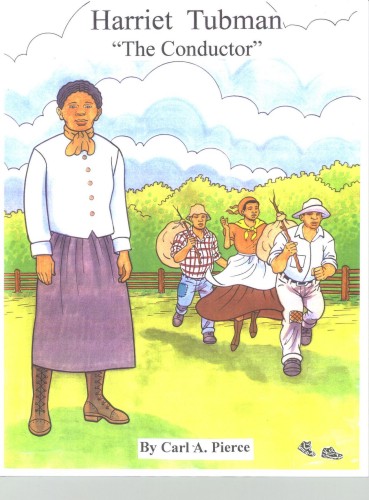

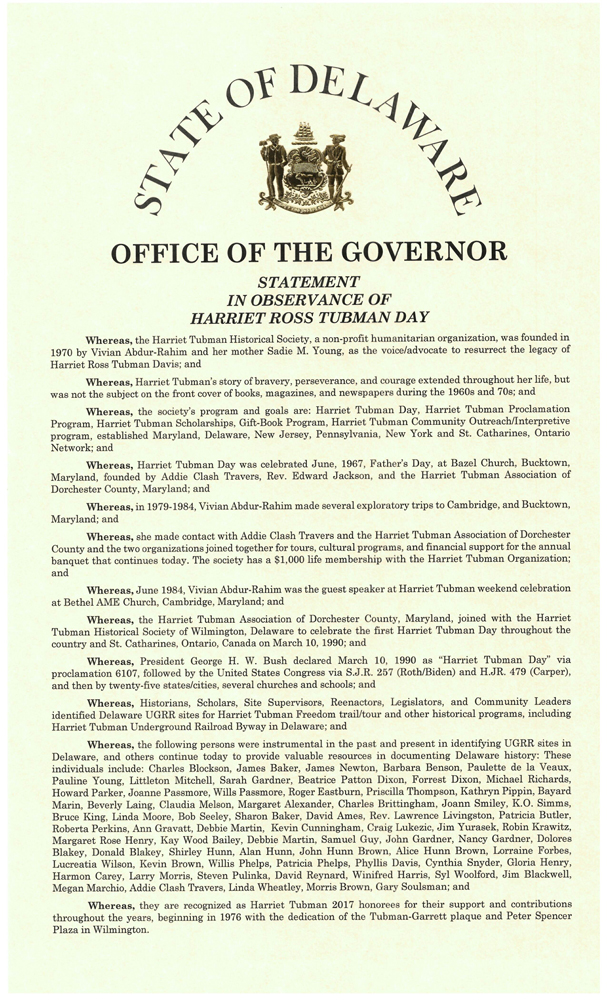
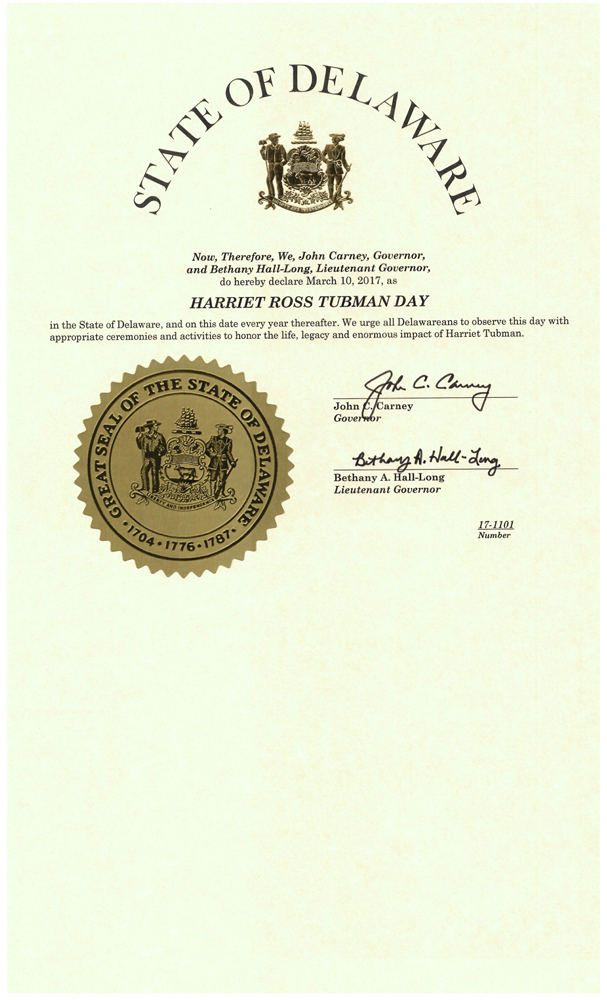
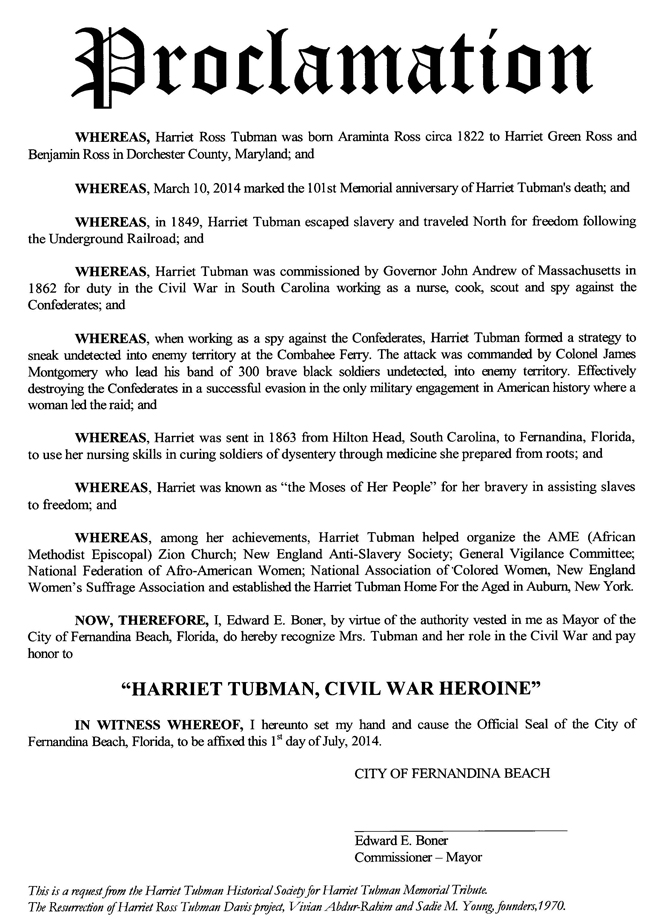
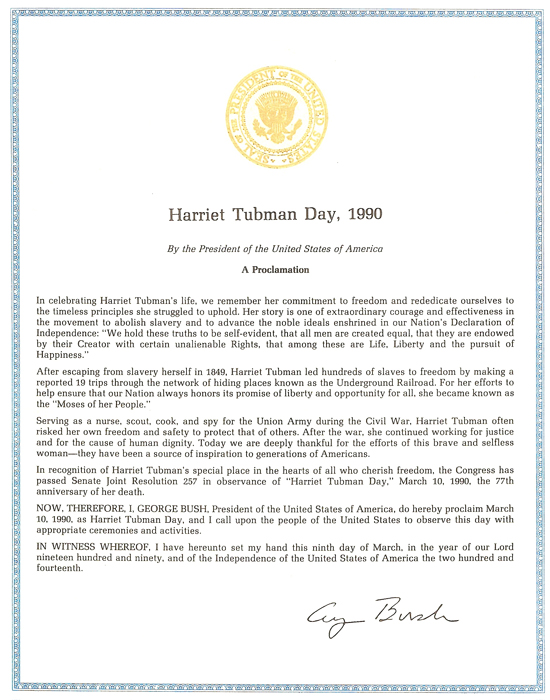
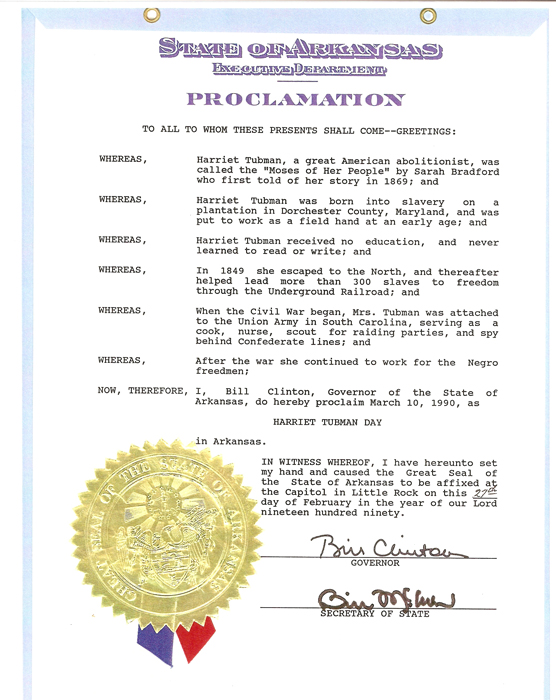
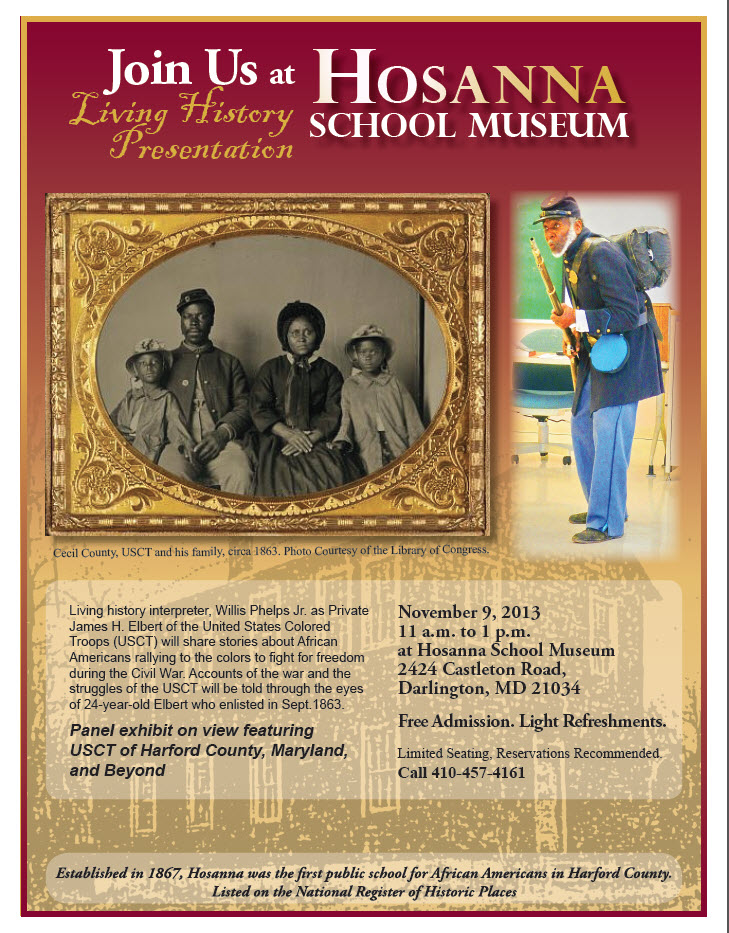
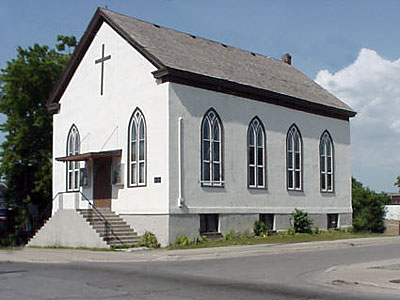
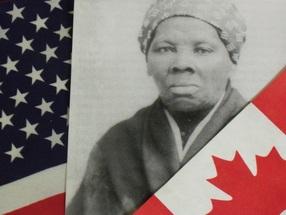

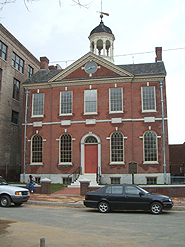
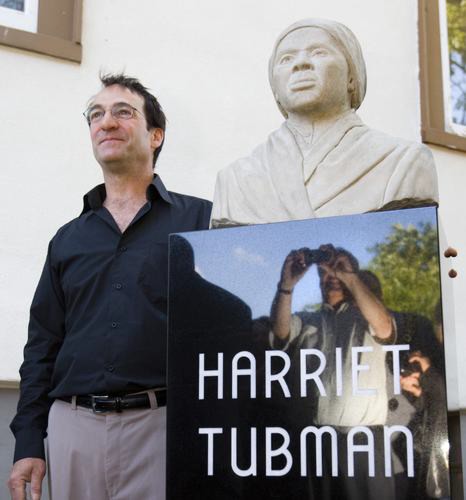
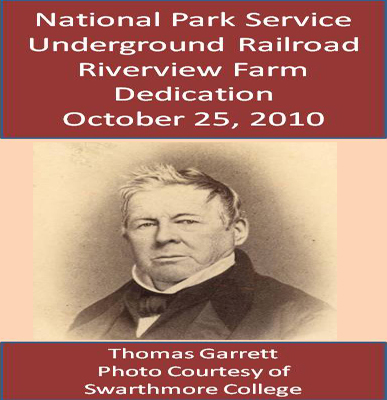
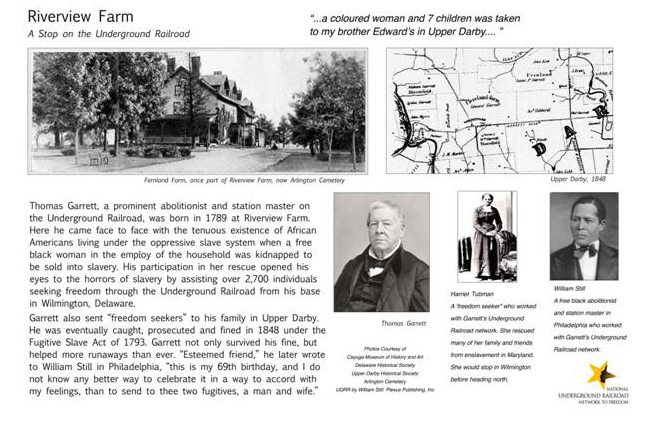
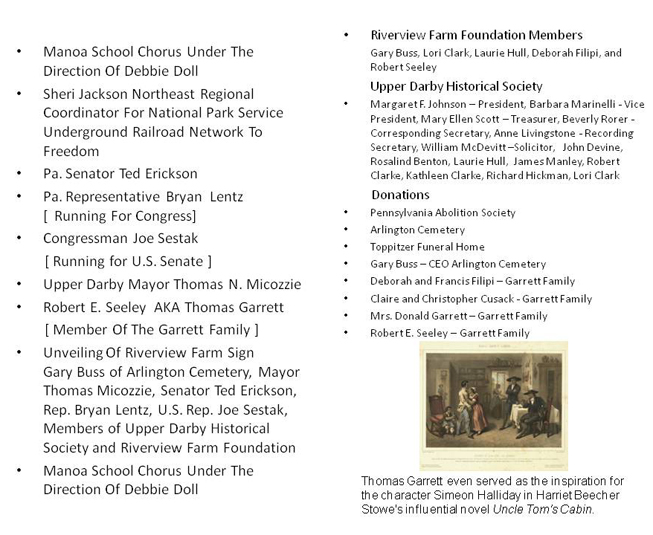
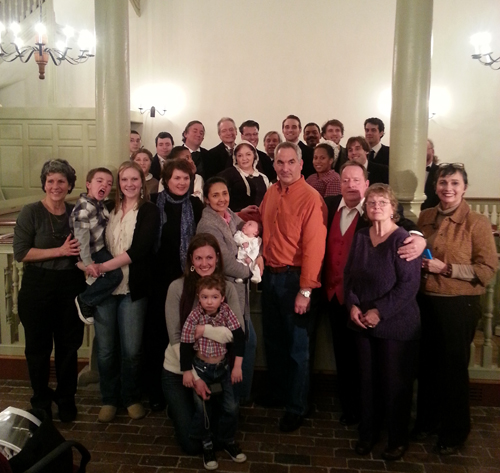
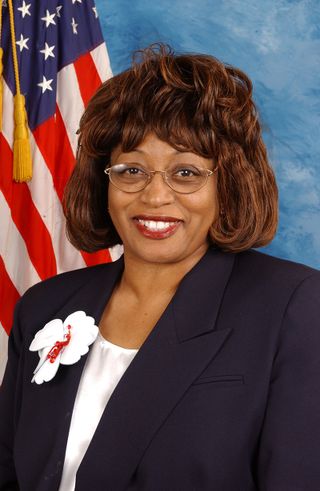
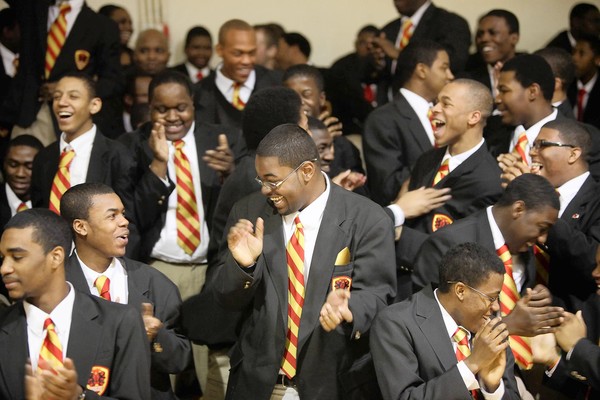
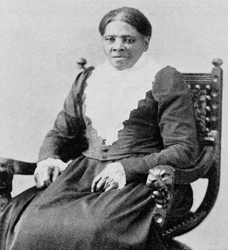 SRES 455 ATS 111th CONGRESS 2d Session S. RES. 455
 Mrs. Loretta Carter Hanes, an educator, researcher and the president of DC Reading Is Fundamental, Inc., researched, initiated and spearheaded the revival of the District of Columbia Emancipation Commemoration. Since 1991, Mrs. Hanes and DC Reading Is Fundamental, along with her son Peter and Historians C.R. Gibbs and Vincent deForest, have organized annual DC Emancipation Commemoration public educational programs. Her untiring efforts arose to the attention of community groups like the United Black Fund, historic churches such as the All Souls Church Unitarian and Asbury United Methodist Church, and local and Federal Government officials, including the U.S. National Archives, U.S. National Park Service and Members of the U.S. Congress. Mrs. Hanes inspired these and other organizations and individuals to mark the DC Emancipation Act with annual educational and celebratory events across the nation's capital. Such combined advocacy for this watershed event in our nation's history led then DC Mayor Anthony Williams to sign into law in 2005 that each April 16th thereafter would be Emancipation Day, a public legal holiday.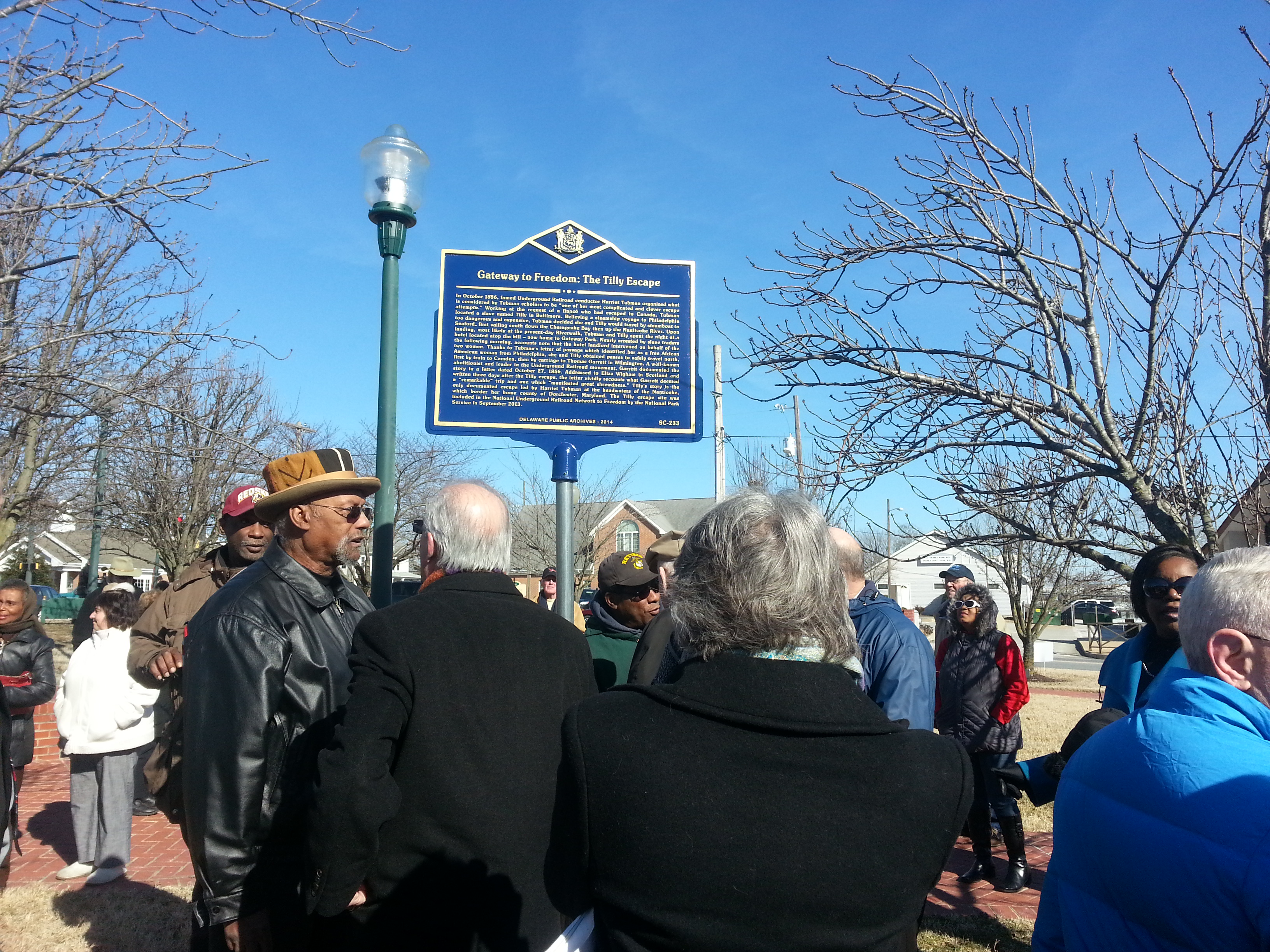
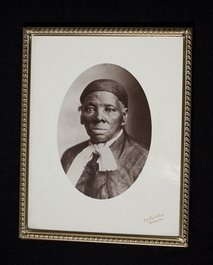
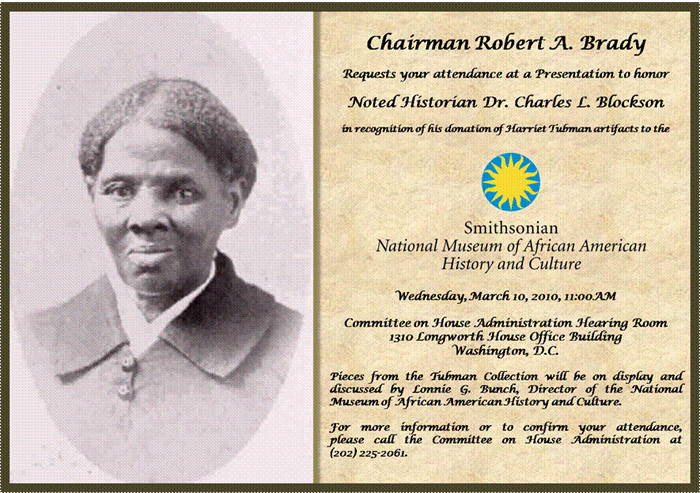
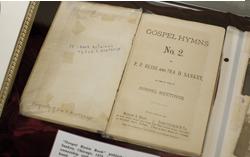

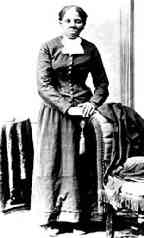 DEAR HARRIET:
I am glad to know that
the story of your
eventful life has been
written by a kind lady,
and that the same is
soon to be published.
You ask for what you do
not need when you call
upon me for a word of
commendation. I
need such words from you
far more than you can
need them from me,
especially where your
superior labors and
devotion to the cause of
the lately enslaved of
our land are known as I
know them. The
difference between us is
very marked. Most that I
have done and suffered
in the service of our
cause has been in
public, and I have
received much
encouragement at every
step of the way. You, on
the other hand, have
labored in a private
way. I have wrought in
the day€”you in the
night. I have had the
applause of the crowd
and the satisfaction
that comes of being
approved by the
multitude, while the
most that you have done
has been witnessed by a
few trembling, scarred,
and foot-sore bondmen
and women, whom you have
led out of the house of
bondage, and whose
heartfelt €œGod
bless you€� has
been your only reward.
The midnight sky and the
silent stars have been
the witnesses of your
devotion to freedom and
of your heroism.
Excepting John
Brown€”of sacred
memory€”I know of no
one who has willingly
encountered more perils
and hardships to serve
our enslaved people than
you have. Much that you
have done would seem
improbable to, those who
do not know you as I
know you. It is to me a
great pleasure and a
great privilege to bear
testimony to your
character and your
works, and to say to
those to whom you may
come, that I regard you
in every way truthful
and trustworthy.
DEAR HARRIET:
I am glad to know that
the story of your
eventful life has been
written by a kind lady,
and that the same is
soon to be published.
You ask for what you do
not need when you call
upon me for a word of
commendation. I
need such words from you
far more than you can
need them from me,
especially where your
superior labors and
devotion to the cause of
the lately enslaved of
our land are known as I
know them. The
difference between us is
very marked. Most that I
have done and suffered
in the service of our
cause has been in
public, and I have
received much
encouragement at every
step of the way. You, on
the other hand, have
labored in a private
way. I have wrought in
the day€”you in the
night. I have had the
applause of the crowd
and the satisfaction
that comes of being
approved by the
multitude, while the
most that you have done
has been witnessed by a
few trembling, scarred,
and foot-sore bondmen
and women, whom you have
led out of the house of
bondage, and whose
heartfelt €œGod
bless you€� has
been your only reward.
The midnight sky and the
silent stars have been
the witnesses of your
devotion to freedom and
of your heroism.
Excepting John
Brown€”of sacred
memory€”I know of no
one who has willingly
encountered more perils
and hardships to serve
our enslaved people than
you have. Much that you
have done would seem
improbable to, those who
do not know you as I
know you. It is to me a
great pleasure and a
great privilege to bear
testimony to your
character and your
works, and to say to
those to whom you may
come, that I regard you
in every way truthful
and trustworthy.